
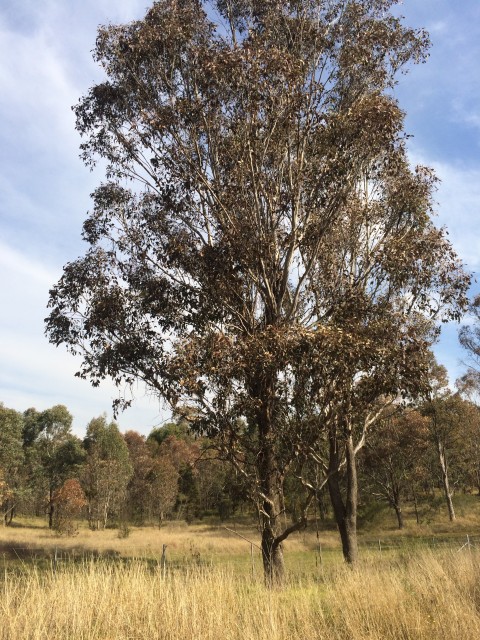
Here in Sydney 10's of Thousands-Tree Die-back, Eucalyptus moluccana
In the wider spaces of western and south-western Sydney, as well as the general Sydney region, from Liverpool councils, Wollondilly councils, Penrith council and further. The rate of trees struggling to grow well is increasing. This challenge will only be compounded by the increase in koala sightings in this area, as their habitat is being uprooted by urban growth. With the die-back of trees such as E. moluccana spreading (and the potential of other tree species having the same fate), the opportunity for innovation in both the captive and conservation sector will produce potential solutions to reduce any problems of the future.
Some residents in the area managed to reduce the tree die-back from their properties by understanding the chain reaction events that caused stress to the tree species E. moluccana in the first place.
The main culprit is the introduction of the African Olive Tree. This species has a prolific growth rate and rapidly becomes invasive, growing in clumps, like that of the Lantana.
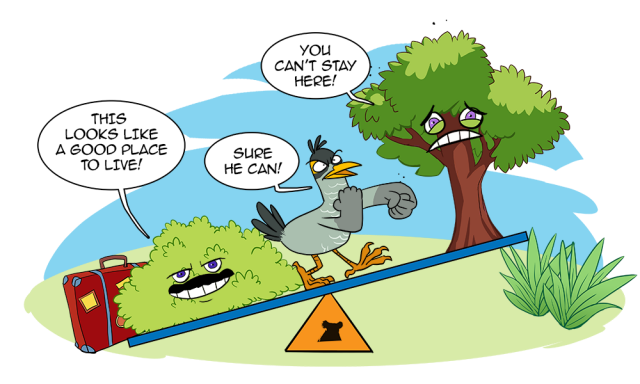
The African Olive tree is so dense in its structure that it creates its own micro-climate, which is very appealing to the Native bird, the bell miner, a relative of the introduced bird species, noisy miner. The African Olive tree acts as the perfect home for the Bell minor.
This chain of events that involves the bell miner is interesting because this species of bird manages to affect the most common Eucalyptus tree species in a number of areas around Sydney. The Eucalyptus moluccana naturally support larvae that turns into a grub, which the bell miner hunts and eats. But because of the bell miner's aggressive, territorial behaviour, they prevent other native and non-native birds from accessing the grubs. Because this grub thrives so well and because it only attracts one family group of birds, that protects its territorial, the tree itself becomes stressed and starts to suffer to the point that it begins to die-back.
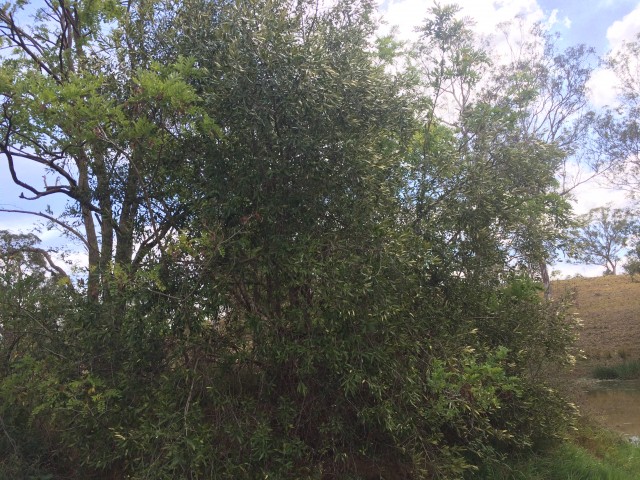
Residents: Terry Hay, show me around his property in Greendale, he and his family addressed this issue by physically removing all the African Olive trees. This caused the bell miner to move elsewhere and allowed the land to slowly regenerated back to its former glory.
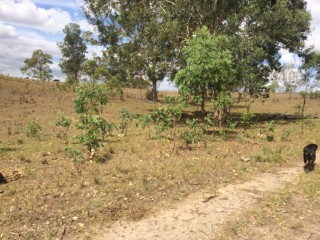
Shouldn't ecologists and environmentalists be taking note of this die-back? Why isn't this issue making headlines and rousing the passion of community members? Surely people can see the link between the health of a tree and the health of local wildlife! This problem has been evident for 4-5 years now and still, no action is being taken. In fact, nobody is even talking about it. It seems to have a ripple effect too; the die-back of these common trees sees an increase in the movement of our koalas. Why don't council's give residents who live on large acreage an incentive to track this problem on a local level? Residents could be incentivised to clean up their property and support their local environment. Ecosystems are incredibly fragile and one small problem can create a ripple effect that has devastating consequences for many other species. Environmentalists and ecologists should be providing more information on these relationships – from a micro level to a global level.
For example, information should be given to councils on plant biology and what plants need to survive, as well as the relationship of their local micro-climate. Initiatives to support native vegetation that exist in certain areas - starting from the foundations – could mean clearer waterways, creeks and soil. Instead of taking this chaotic approach that has not been working to date, we should be bringing experts with diverse skills across animal science sectors and tasking them with creating programs for councils. This collaborative approach should work and would open-up channels of communication for future problem-solving efforts
The next article: Article 17, is called "What the Funk" a four-part series that questions the Victorian government's handling of the secret koala cull in 2014.


